
Why Some Cities Make Us Want to Stay
Why Some Cities Make Us Want to Stay
Some cities are impressive for three days.
Others can hold our attention for thirty years.
The difference is surprisingly difficult to explain. It is not necessarily beauty: some beautiful cities lose their appeal once their highlights have been seen. It is not size, wealth or climate either. And it certainly cannot be reduced to the number of museums, restaurants or parks a city contains.
So what makes a city somewhere we want to stay?
Perhaps the answer is not what a city has, but how much it continues to offer.
The City That Is Never Completely Known
Think of cities such as London, Paris or Tokyo.
Even long-term residents tend to know them selectively. They develop their own routes, neighbourhoods and routines while large parts of the city remain unexplored.
This is partly a consequence of scale, but also of urban structure.
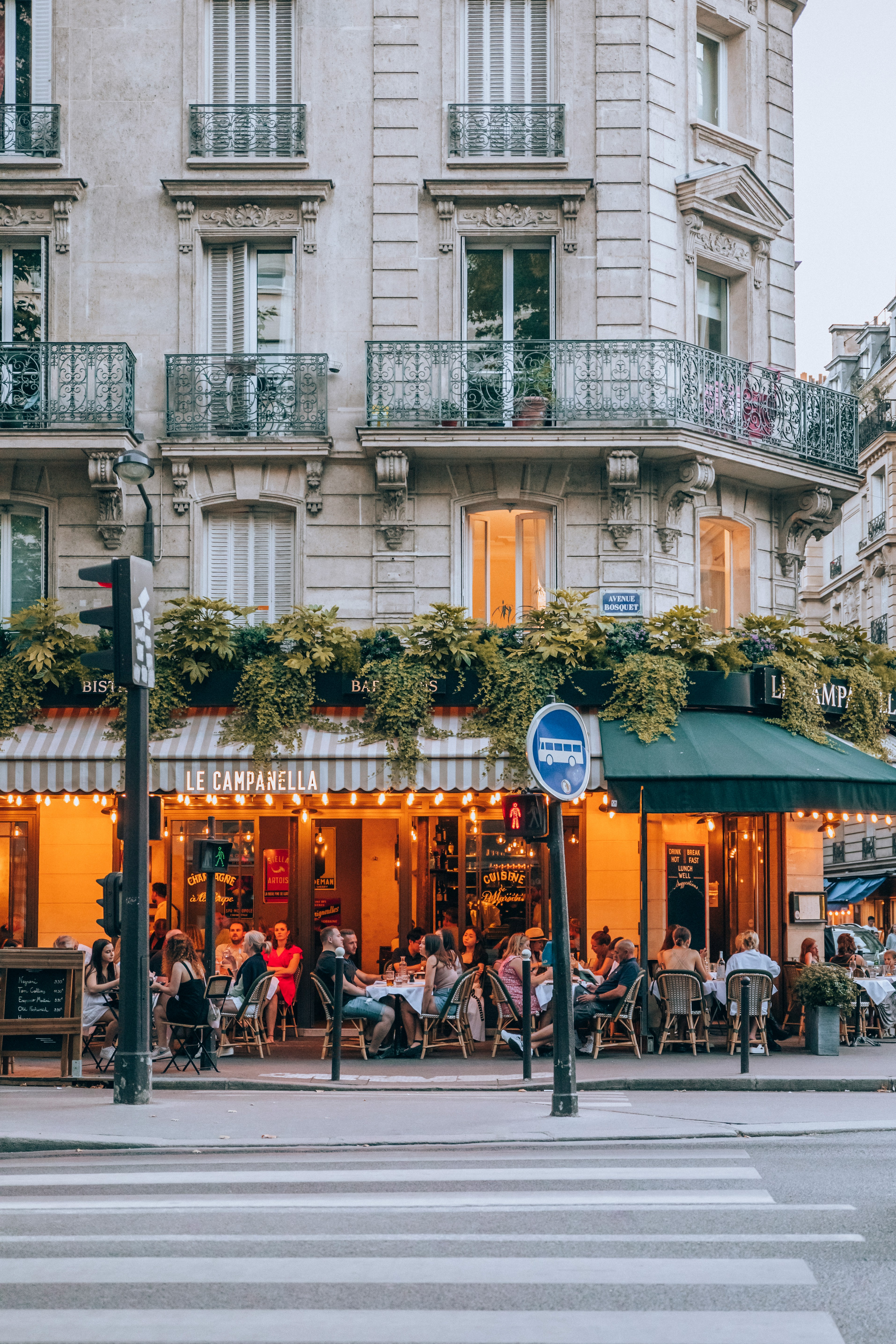
Successful cities contain layers. A major avenue can sit beside a quiet residential street. A small specialist shop can survive minutes from a global retail destination. Historic neighbourhoods coexist with contemporary districts. Different communities use the same city in completely different ways.
There is always another version of the city nearby.
This matters because familiarity does not have to lead to predictability.
A city becomes more interesting when we can know it well without ever feeling that we have completely exhausted it.
Variety Matters More Than Perfection
Urban planning has often pursued order: separating uses, controlling movement and giving districts clear functions.
Yet many of the places people most enjoy are surprisingly mixed.
Homes sit above shops. Offices are close to restaurants. Schools, galleries, parks, hotels and workplaces share the same neighbourhood. Activities overlap across different hours of the day.
This apparent disorder creates something valuable: choice.
The same Saturday can become breakfast nearby, an exhibition across town, an unplanned walk and dinner somewhere completely different — without requiring an elaborate plan.
The city provides options.
And perhaps this is one reason mixed cities remain engaging: they allow lifestyles to change without requiring people to leave them.
Convenience Is More Powerful Than It Sounds
We tend to describe convenience as something functional. But over time, it fundamentally changes the way we use a city.
When everyday needs are easy to reach, public transport creates genuine alternatives, and several activities can happen within the same journey, the city requires less effort to navigate.
This creates a subtle advantage.
The best cities make complicated lives feel surprisingly easy.
A coffee can become a meeting. A journey home can include groceries and dinner. A park can become part of a commute rather than a separate destination.
Good urban planning reduces the number of times we have to organise the city before we can enjoy it.
Great Cities Leave Room for Reinvention
Perhaps the most important quality is adaptability.
People change. A city that suited someone at twenty-five may need to offer something very different at forty-five.
The cities that retain people tend to contain multiple ways of living within the same urban system: dense centres and quieter neighbourhoods, apartments and houses, intense cultural districts and large green spaces.
You do not necessarily outgrow the city.
You simply change your position within it.
That may be one of the least discussed measures of successful urban planning: whether a city can accommodate different versions of the same person over time.
When Staying Becomes Value
There is also a real-estate consequence to this.
Property markets often focus on what attracts demand: new infrastructure, cultural destinations, major employers or emerging districts. But an equally interesting question is what makes that demand stay.
Neighbourhoods that remain useful through different stages of life, offer variety and adapt without losing their character have an advantage that is difficult to reproduce quickly. Over time, this can translate into something very tangible: persistent demand.
Perhaps the strongest urban locations are not simply the places people want to enter, but the ones they become reluctant to leave.
The Power to Stay
Cities compete constantly for residents, businesses, visitors and talent. Their instinct is often to attract them with something new: a landmark, an event, a cultural institution or a major development.
Attraction, however, is only the beginning.
The more interesting question is what happens afterward.
A city that makes us want to stay does not need to entertain us constantly. It needs to remain useful, varied, adaptable and slightly unfinished — offering enough familiarity to function effortlessly, and enough possibility that there is still something left to discover.
Perhaps the real success of a city is not measured by how many people it can attract.
It is how many reasons it gives them not to leave.
Follow Noëlla Aoun Design Studio or visit our website for more Urban Design, Architecture, Interior Design, Landscape Design, Environment, Real Estate and Sustainable Development articles.